
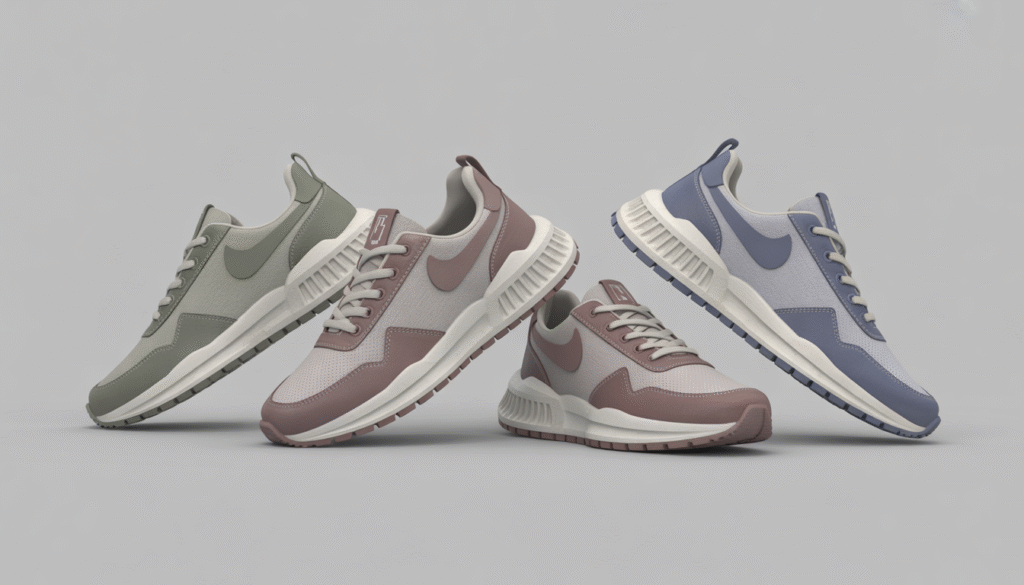
3D sneakers in vibrant colors, shown from multiple angles

3D sneakers visual

3D sneakers visual

In November 2025, the world of footwear is undergoing a radical transformation. The rise of 3D sneakers visual technology is not just a trend—it’s a revolution. From personalized biomechanics to sustainable production, brands are leveraging 3D printing and visualization to redefine how we design, buy, and wear sneakers. Whether you’re a content creator, e-commerce strategist, or tech-savvy sneakerhead, understanding the latest updates is key to staying ahead. This guide compiles the most recent insights, use cases, and market data to help you create content that converts.

Latest articles and expert guides from November 2025

Several authoritative sources have published in-depth reports this month, shedding light on the evolution of 3D printed sneakers and their visual applications.

  • FlexCreate (17 Nov 2025): Highlights the shift from mass production to mass personalization, with Adidas Futurecraft 4D, New Balance TripleCell, Under Armour ArchiTech, and Puma 3D MTRX leading the charge.
  • TechHQ (Nov 2025): Explores the benefits of additive manufacturing, including rapid design iteration and circular economy models like Vivobarefoot.
  • SealLoom (18 Nov 2025): Lists the top 3D printed sneakers of the year, signaling the market’s maturity.
  • 3DPrint.com (Nov 2025): Predicts the rise of mobile 3D scanning and the integration of 3D printing into retail environments.

For a deeper dive into how 3D and AI are reshaping e-commerce visuals, check out this article.

Current problems solved by 3D sneakers visual

3D sneakers visual technology addresses several long-standing issues in the footwear industry:

  • Extreme personalization: No more one-size-fits-all. Designs now adapt to individual biomechanics—weight, gait, foot shape.
  • Fast, flexible production: Design updates can be made digitally without halting production lines, reducing costs and time-to-market.
  • Sustainability: Localized 3D printing reduces waste and supports circular economy models.
  • Enhanced customer experience: Mobile 3D visualization and customization tools increase online engagement and conversions.

Want to learn how to create professional 3D visuals in minutes? This guide breaks it down step-by-step.

Real benefits for users in November 2025

Consumers are already reaping the rewards of 3D sneakers visual innovation:
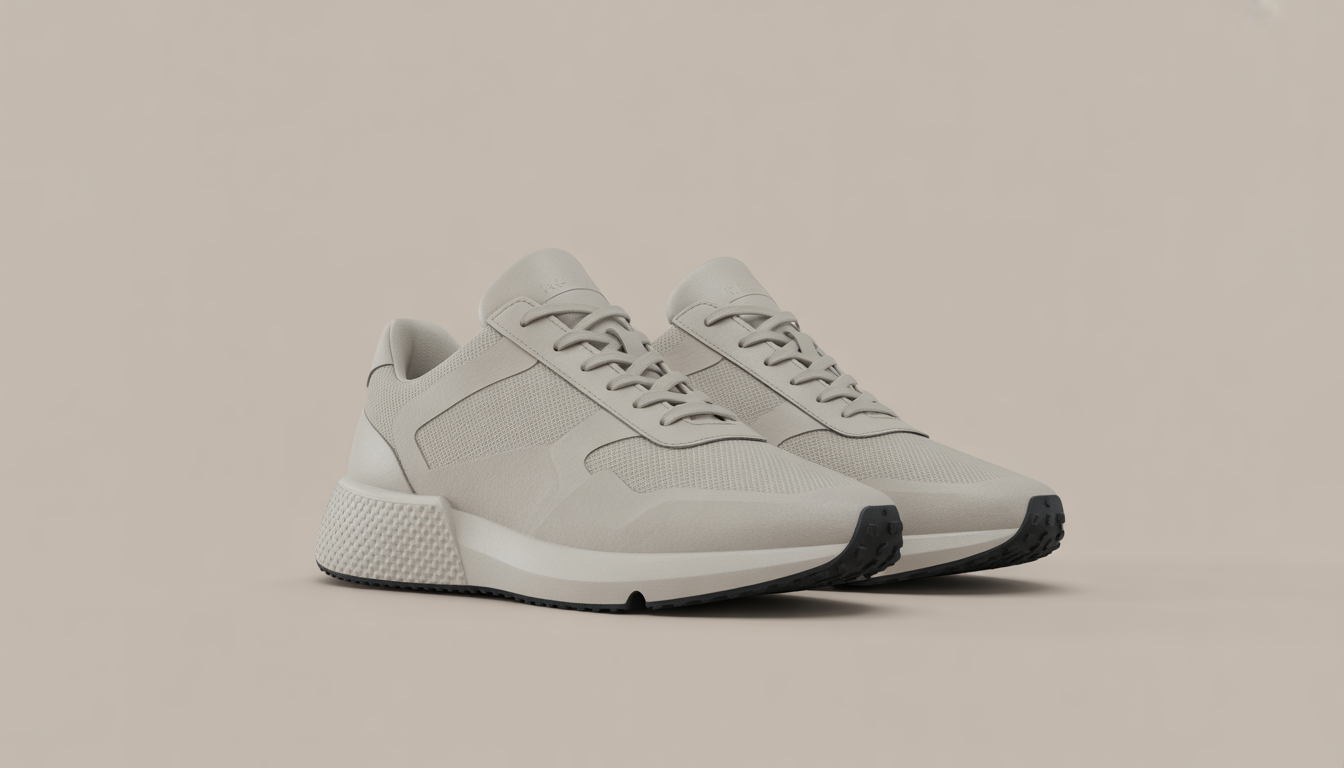
Mon image
  • Optimized comfort and performance: Lattice structures tailored to each user’s biomechanics offer superior cushioning and support.
  • Unique, aesthetic designs: 3D printing enables complex geometries that traditional methods can’t replicate.
  • Mobile customization access: No need to visit a store—smartphone scanning enables remote personalization.
  • Improved sustainability: Local production and reduced material waste make these sneakers eco-friendly.

Recent use cases and practical examples (2025)

Here are some standout examples of how brands are implementing 3D sneakers visual technology:

  • Adidas Futurecraft 4D: Mass production of lattice-designed midsoles, with millions of units planned.
  • New Balance TripleCell: Athlete-specific shoes with 3D printed platforms.
  • Under Armour ArchiTech: Generative design for unmatched support and structure.
  • Puma 3D MTRX: A tech-fashion hybrid developed with Porsche Design.
  • Vivobarefoot: Pioneering circular economy through 3D printed footwear.

Updated market statistics (November 2025)

The numbers speak volumes about the momentum behind 3D sneakers visual:

  • Adidas has already produced hundreds of thousands of 3D printed pairs and aims to reach one million soon.
  • The global 3D printed footwear market is growing rapidly, with major brands accelerating adoption.
  • The footwear industry is valued at $350 billion, with a growing share dedicated to personalization and additive manufacturing.

Discover why 3D visuals are replacing traditional packshots in e-commerce by reading this article.

Frequently asked questions (November 2025)

Are 3D printed sneakers durable enough for everyday use?

Yes. Thanks to advanced materials and lattice engineering, today’s 3D printed sneakers match or exceed the durability of traditional footwear.

Can I customize my 3D printed sneakers without visiting a store?

Absolutely. Mobile 3D scanning technology allows users to personalize their shoes remotely using just a smartphone.

How fast can 3D printed sneakers be produced?

Production times have dropped significantly. Brands like Adidas have optimized their workflows to enable large-scale manufacturing.

Are 3D printed sneakers more sustainable?

Yes. They reduce material waste, support local production, and align with circular economy principles.

News and trends this week (14–21 November 2025)

  • FlexCreate (17 Nov 2025): Adidas scales up mass production while startups like ARKKY and Zellerfeld push boundaries in customization and sustainability.
  • SealLoom (18 Nov 2025): Highlights the top 3D printed sneakers of the year, confirming market maturity.
  • TechHQ (Nov 2025): Emphasizes the speed and adaptability of additive manufacturing in fashion and performance footwear.
  • 3DPrint.com (Nov 2025): Stresses the growing role of mobile tech in personalization and the future of in-store 3D printing.

As the 3D sneakers visual market continues to evolve, staying informed is crucial. Whether you’re building a brand, launching a product, or crafting content that converts, these insights offer a clear roadmap for success in 2025 and beyond.


3D sneakers visual

In the ever-evolving world of fashion and technology, 3D sneakers visual have emerged as a fascinating intersection of design, innovation and self-expression. As of November 21, 2025, consumer interest in 3D printed sneakers—especially those with a strong visual and customizable appeal—has reached new heights. This article offers a comprehensive analysis of the most recent trends, questions and behaviors shaping this niche, based on data from the past 30 days and insights from platforms like Google, Reddit, Quora and more.

What are people asking about 3D sneakers visual in November 2025?

Consumers are no longer satisfied with generic product descriptions or polished marketing images. They want to see, touch and understand what 3D printed sneakers really look like in everyday life. The most frequently asked questions reflect a desire for authenticity, customization and practicality.

Top questions from Google, Reddit and Quora

  • “How do 3D printed sneakers look in real life?” – Users want real-world visuals, not just digital renders.
  • “Are 3D printed sneakers really customizable? How does it work?” – Curiosity about how deep the customization goes.
  • “Can I design my own 3D printed sneakers online?” – Interest in platforms like Zellerfeld or Adidas Creator Studio.
  • “What do 3D printed sneakers look like when worn?” – Demand for photos and videos of people actually wearing them.
  • “Are 3D printed sneakers waterproof or durable?” – Concerns about functionality versus aesthetics.
  • “How much do 3D printed sneakers cost in 2025?” – Price comparisons across brands and levels of customization.
  • “Are 3D printed sneakers sustainable?” – Environmental impact and recyclability are key concerns.

These questions reveal a growing demand for transparency and user-generated content. People want to see real results, not just promises.

Current problems users are trying to solve

Beyond curiosity, users are actively trying to overcome specific frustrations. The most common issues discussed in forums and comment sections revolve around style, usability and accessibility.

Key challenges in the 3D sneakers visual space

  • Finding 3D sneakers with a truly futuristic aesthetic—not just technical prototypes.
  • Understanding the difference between 3D printed and 3D visualized sneakers.
  • Accessing customization tools without needing design skills.
  • Evaluating comfort and durability for daily wear.
  • Finding 3D sneakers that resemble classics like Air Max or Ultraboost but with a 3D twist.

These challenges highlight a gap between innovation and user-friendliness. Brands that bridge this gap will likely dominate the market in the coming years.

What consumers want to do after finding information

Once users understand what 3D sneakers visual are, their next steps are clear. They want to create, buy, share and compare. The journey from discovery to action is fast—especially when visuals are compelling.

Common behaviors in 2025

  • Using platforms like Nike Creator Studio or Zellerfeld to design their own sneakers.
  • Purchasing personalized 3D sneakers based on visual appeal and reviews.
  • Sharing their designs or purchases on social media for validation and visibility.
  • Comparing brands and technologies before buying.
  • Searching for DIY customization tutorials.

This behavior reflects a shift from passive consumption to active creation. Consumers want to be part of the design process, not just the end user.

Current doubts and objections

Despite the excitement, several concerns still hold people back. These objections are often the final hurdle before purchase—and addressing them is crucial for brands.

Top consumer objections in 2025

  • Durability: Will the materials last over time?
  • Comfort: Are they wearable for walking or running?
  • Authenticity: Is the customization real or just a marketing gimmick?
  • Price: Is it worth the cost?
  • Trendiness: Is this a lasting trend or a passing fad?

Brands that offer transparent answers and real-life testimonials will have a competitive edge.

Consumer expertise level in 2025

The majority of users exploring 3D sneakers visual are beginners or intermediates. They’re curious, not necessarily tech-savvy. This means brands must simplify the experience without dumbing it down.

Audience breakdown

  • Beginners: Focused on discovery, personalization and purchase.
  • Experts/designers: Interested in materials, software and technical limits.
  • Trend: High curiosity, low technical skill.

Educational content and intuitive interfaces are key to converting interest into action.

Related searches this month

Search trends reveal what users are exploring alongside 3D sneakers visual. These related queries show a strong interest in customization, sustainability and performance.

  • “3D printed sneakers customization tools”
  • “Best 3D printed sneakers 2025”
  • “How to design 3D printed sneakers”
  • “3D printed sneakers vs traditional sneakers”
  • “3D printed sneakers for running”
  • “3D printed sneakers with color changing”
  • “3D printed sneakers sustainable materials”
  • “3D printed sneakers for women”
  • “3D printed sneakers limited edition”

These searches indicate a growing demand for innovation that is both functional and fashionable.

New concerns since August 2025

In the last few months, new themes have emerged in consumer conversations. These concerns reflect a deeper integration of 3D sneakers into lifestyle and culture.

Emerging topics

  • Color-changing materials: Sneakers that react to light or temperature.
  • Streetwear compatibility: Can 3D sneakers match current fashion trends?
  • Recyclability: Are they truly sustainable or just marketed as such?
  • Limited editions and NFTs: Is there a collector’s market?

These concerns show that consumers are thinking beyond the product—they’re considering identity, values and long-term value.

Summary of current insights (November 2025)

Category Main trend
Questions Real visuals, customization, durability, price, brand comparison
Problems Futuristic style, technical confusion, comfort, design accessibility
Behaviors Creation, purchase, sharing, comparison, DIY
Doubts Durability, comfort, real customization, cost, trend longevity
Expertise level Mostly beginners, high curiosity
Related searches Customization, comparison, materials, streetwear, NFT
New concerns Color-changing, recyclability, limited editions, fashion integration

As of November 2025, the 3D sneakers visual market is driven by a desire for individuality, innovation and authenticity. Consumers are no longer passive buyers—they are creators, critics and curators of their own style. Brands that embrace this shift and provide real, transparent and customizable experiences will not only survive but thrive in this rapidly evolving space.